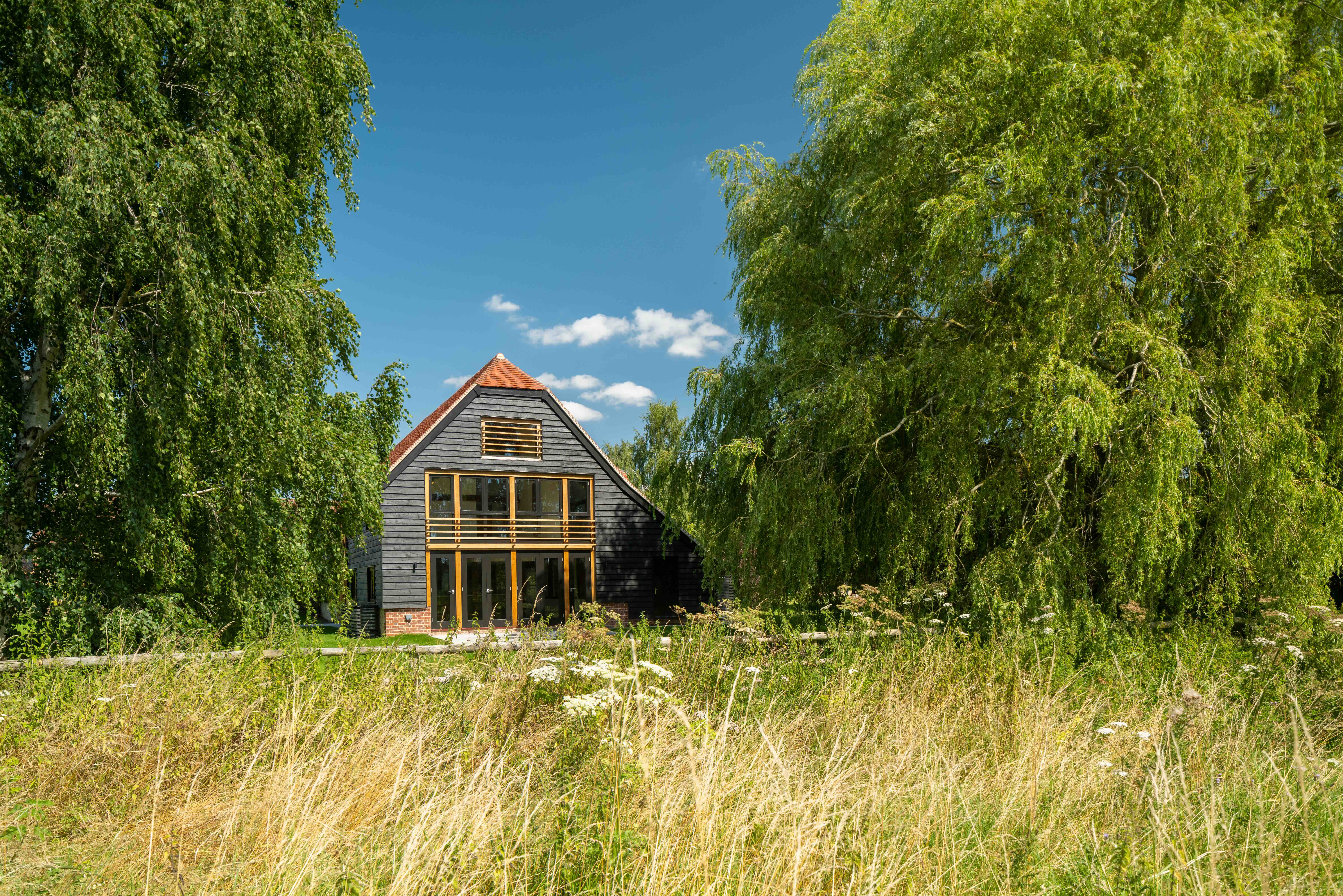
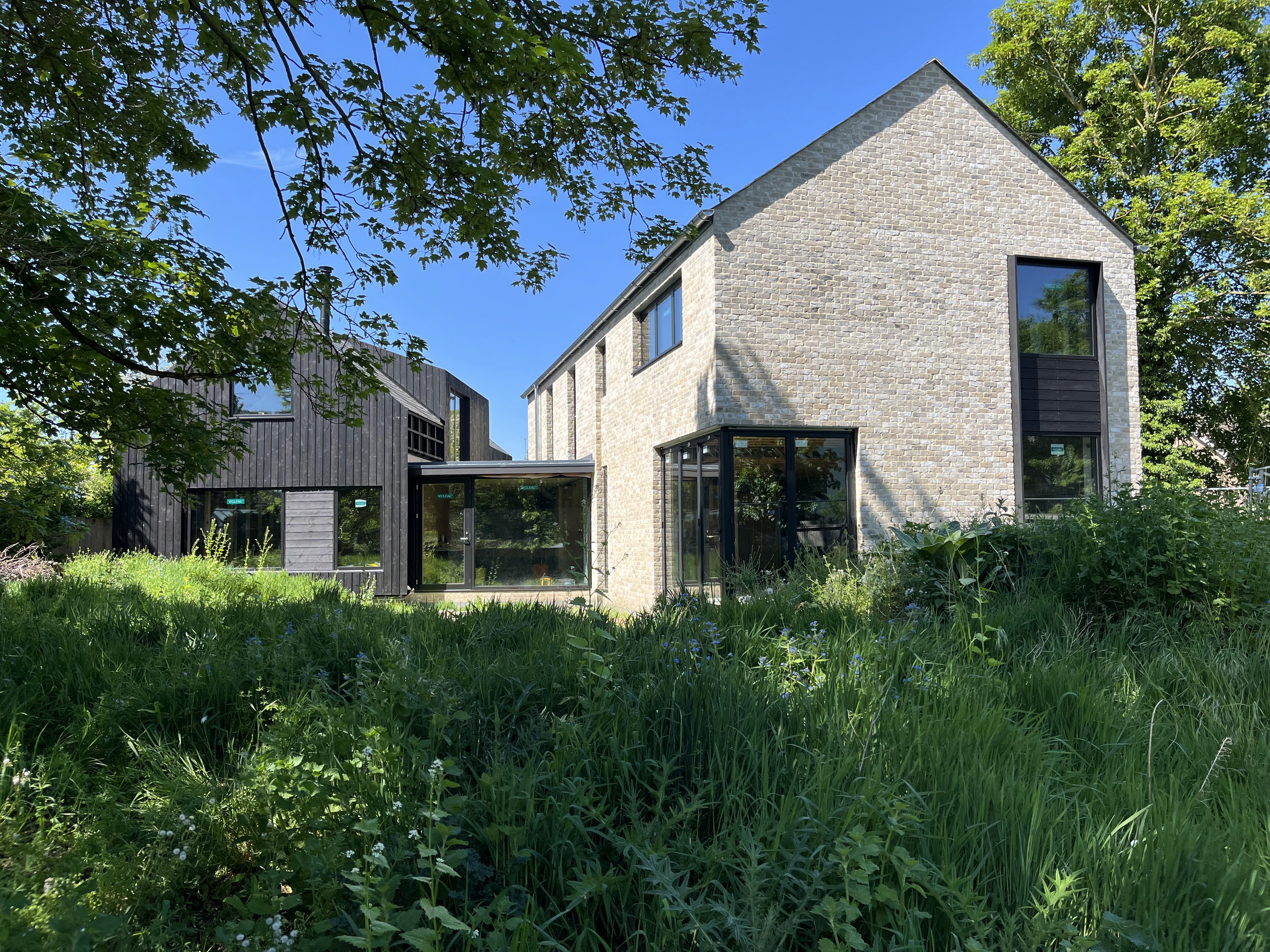
Riverside House — Extensions & Remodelling
Riverside House — Planning Consent, Cambridge
Extension, Remodelling & Loft Conversion, Conservation Area, Cambridge
A planning consent earned, not given. Riverside House presented every challenge the planning system could offer — a conservation area, a greenbelt boundary, listed buildings in the vicinity, and an inherited refusal from a previous application. The client came to FT Studio to do what the previous attempt could not: secure consent for a scheme of genuine spatial ambition, without compromise.
We delivered.
Brief & Context
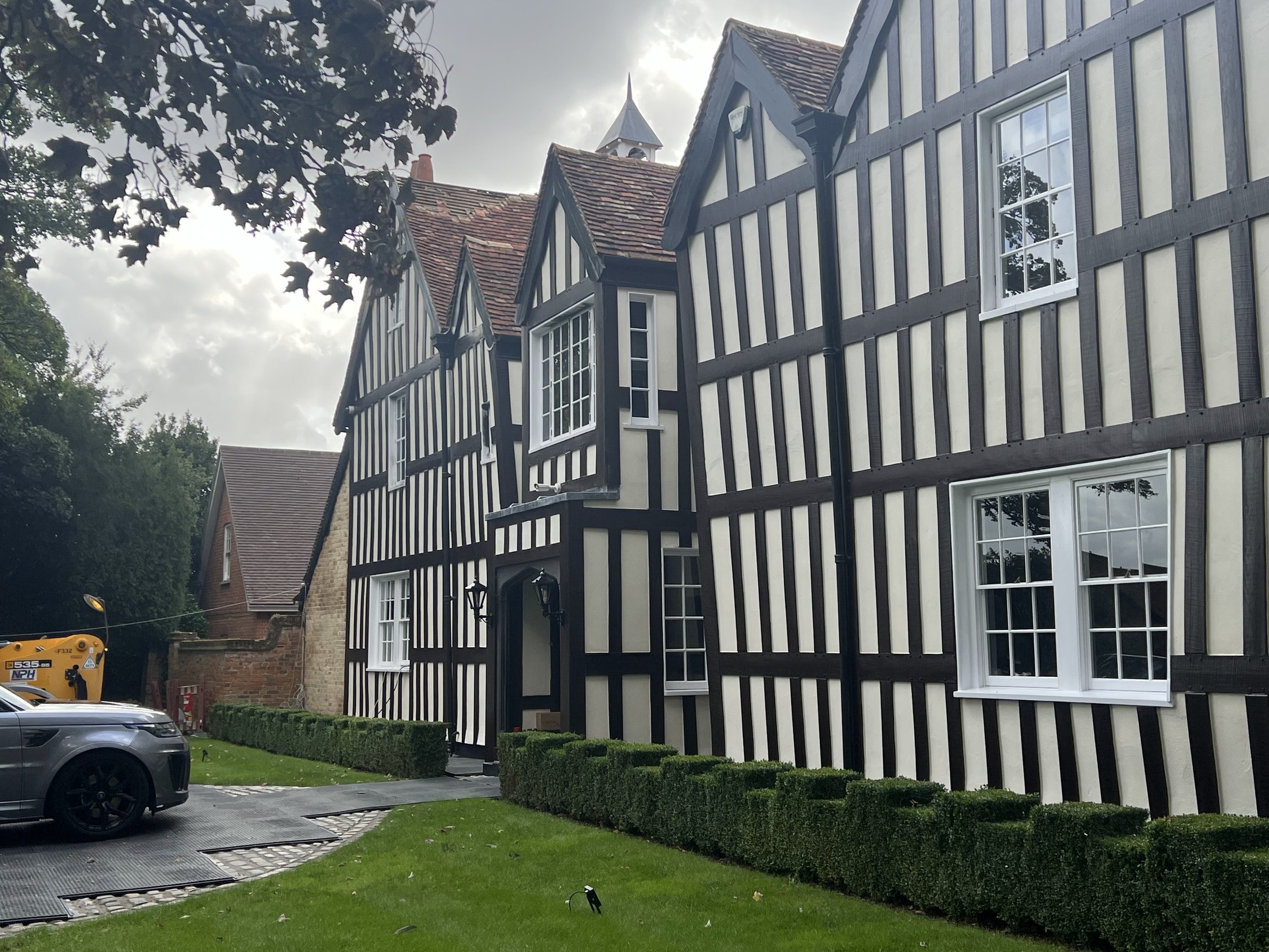
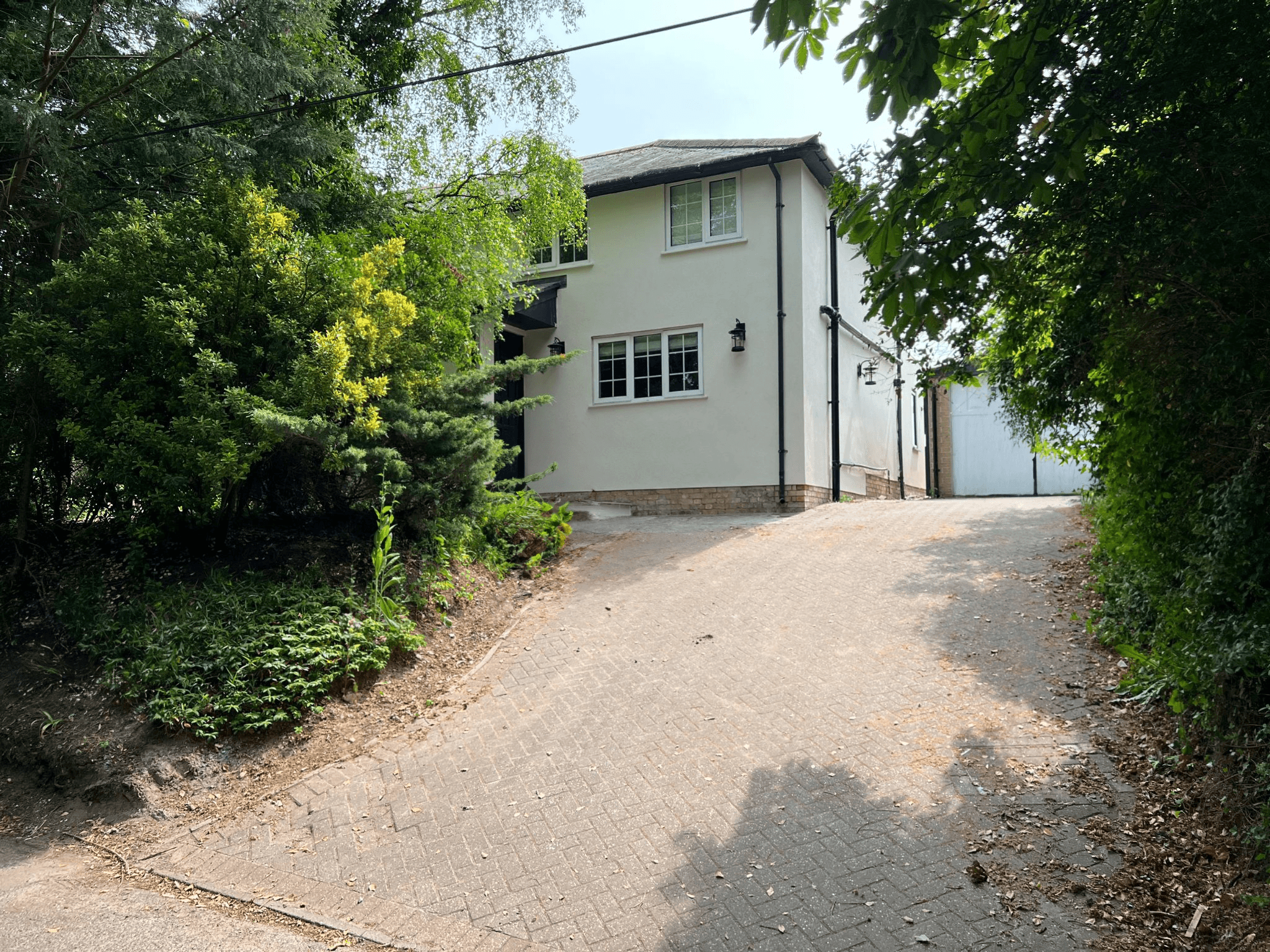
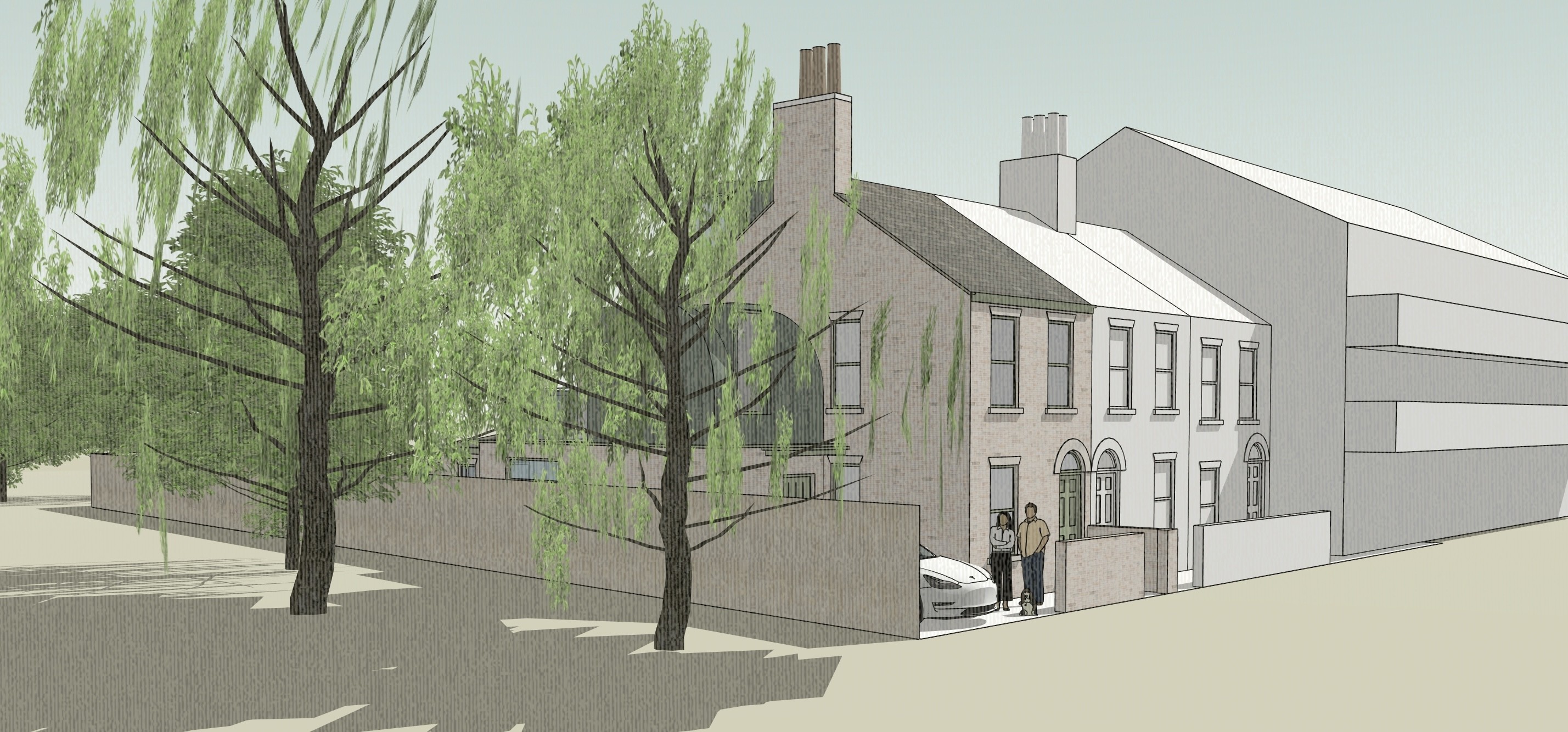
Riverside House occupies one of Cambridge's most quietly significant positions — the precise edge where the city gives way to open landscape. The house sits at the boundary of the greenbelt, within a conservation area, and in close proximity to listed buildings. It is prominent in the street and holds a special spatial relationship between the tightly-grained urban fabric and the open riverside common beyond.
Yet the existing house failed to engage with that setting. Its internal arrangement turned inward, leaving key rooms disconnected from the views, the light, and the sense of openness that make this address special.
The brief was clear: more space, better space, and a house that finally looked outward. The challenge was not whether this could be achieved — but how.
Design Response
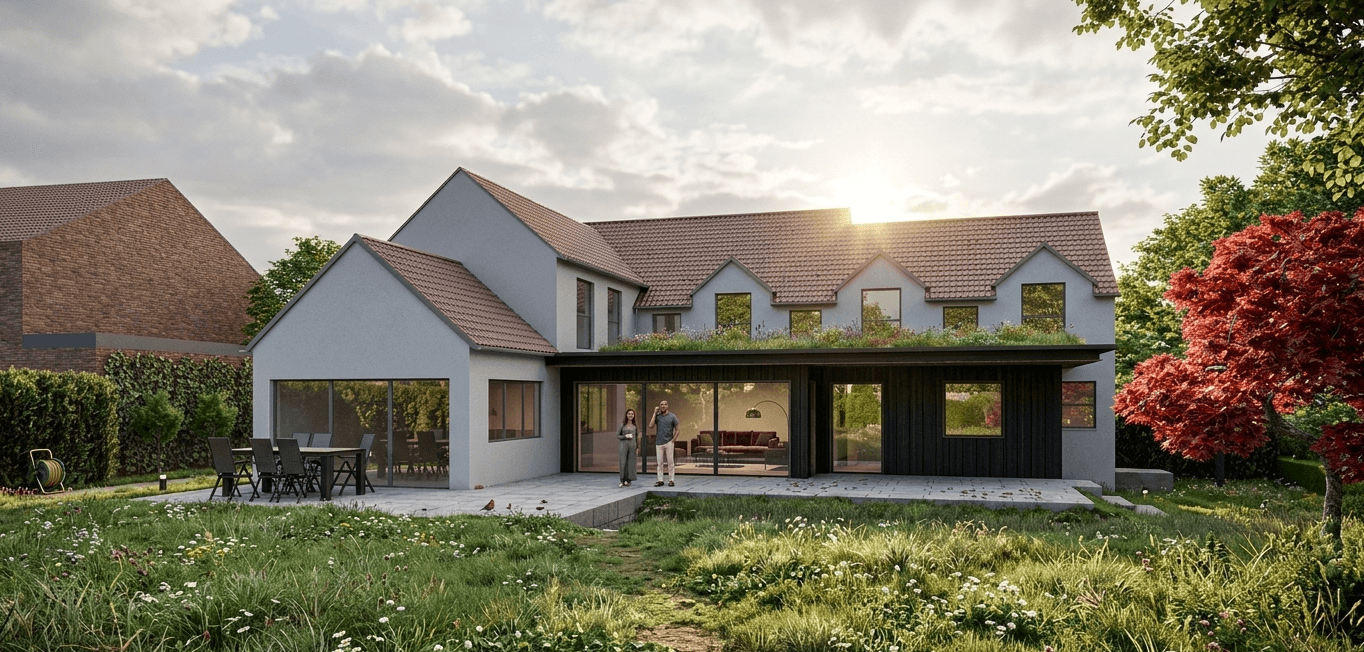
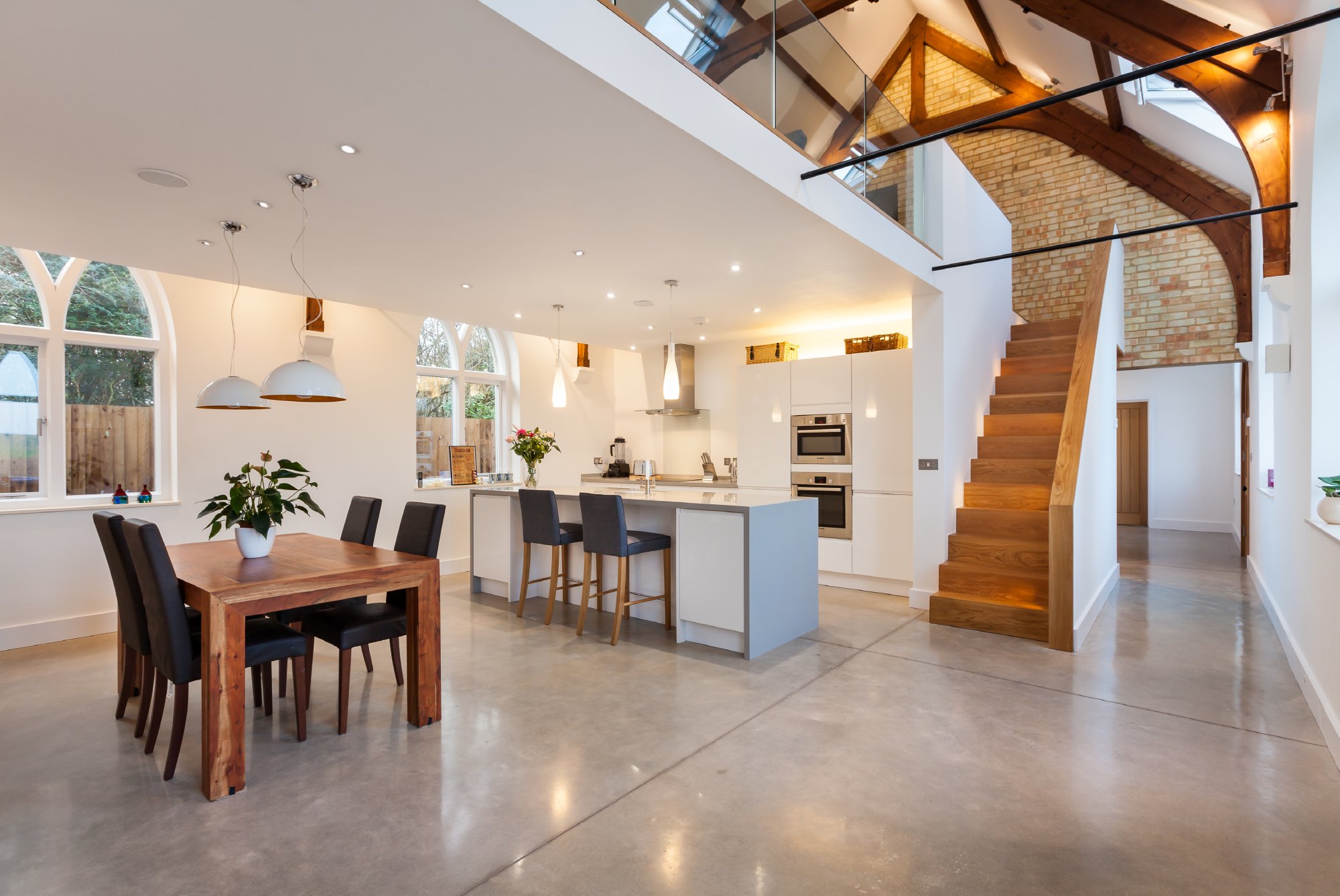
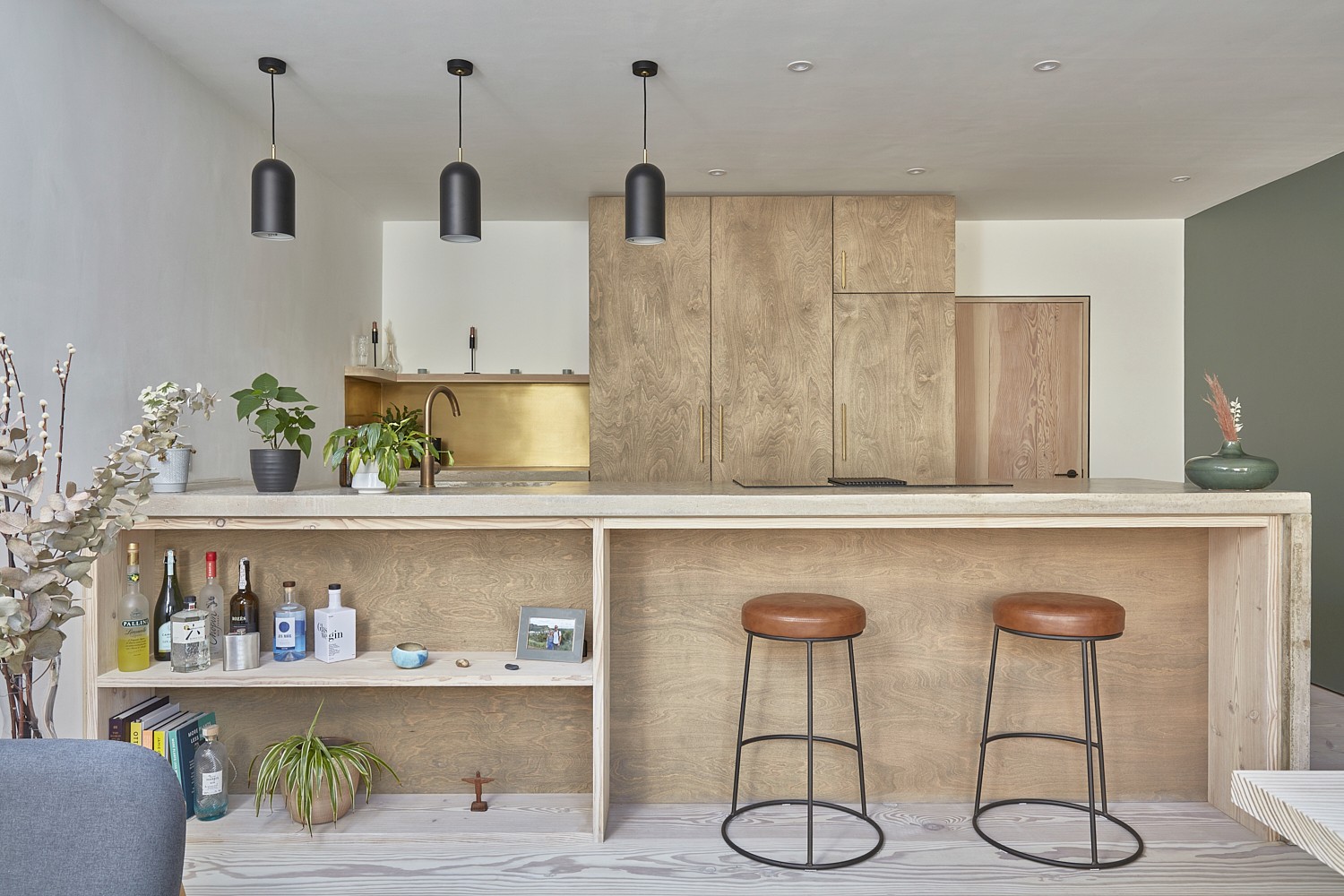
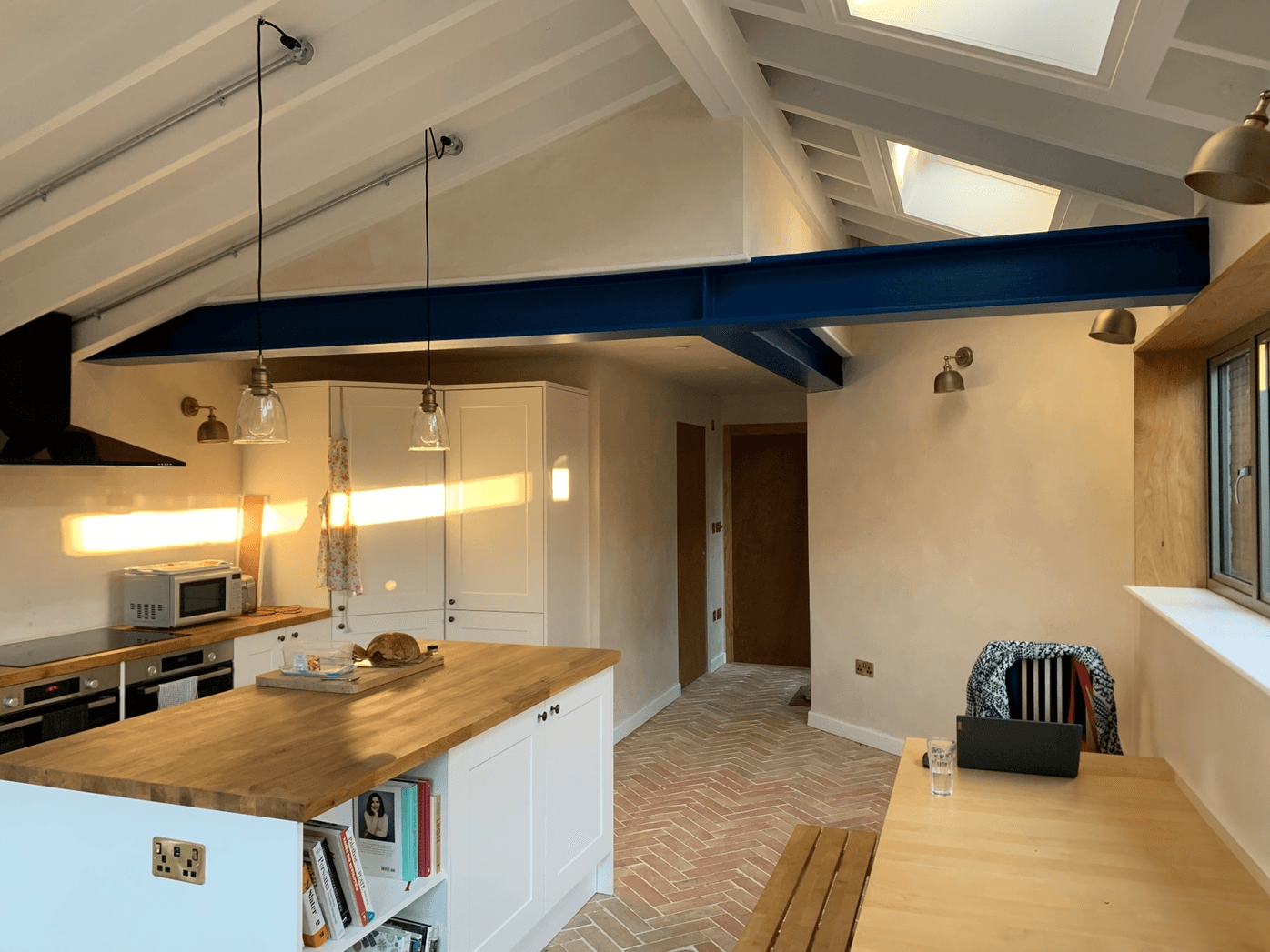
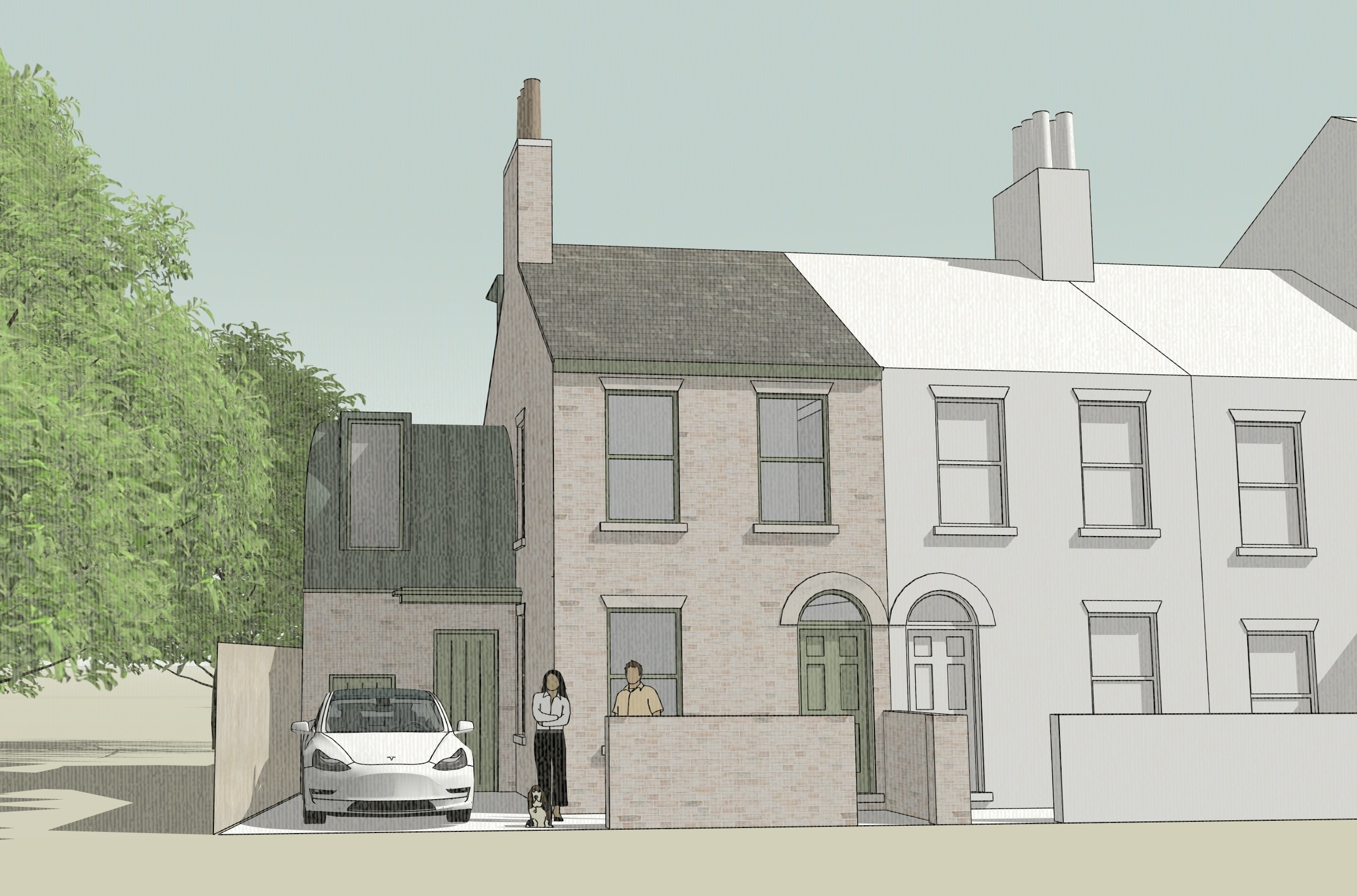
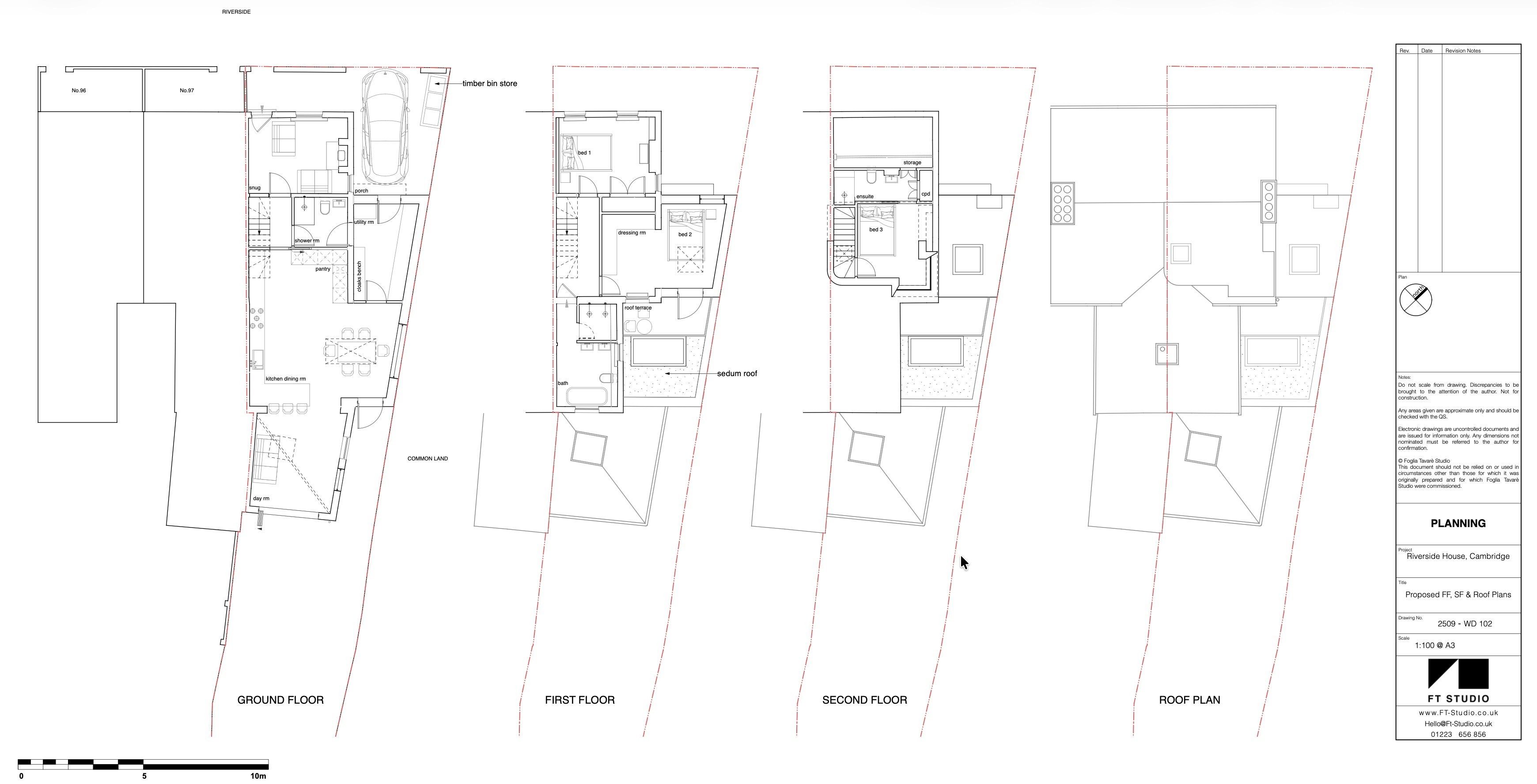
The approved scheme extends the house to the rear, side, and into the roofspace — reorganising it across all three levels without losing a single room in the process. At ground floor, the existing layout gives way to a generous open-plan kitchen, dining and living space oriented toward the garden, with a separate snug providing a quieter counterpoint. The first floor is transformed around a principal suite with dressing room and a private rooftop terrace — elevated above the river and the greenbelt beyond. Above, a further bedroom and en-suite occupy the roofspace with quiet precision. The house has been reconsidered from the ground up. Every level works harder than it did before.
Planning & Conservation
The planning context at Riverside House was demanding for a project of this scale. Conservation area constraints, proximity to listed buildings, greenbelt adjacency, and the site's prominence within the streetscape each placed real limits on what could be proposed — and how it needed to be justified. Compounding this was a recent refusal for a comparable scheme submitted by a previous architect.
The brief to FT Studio was unambiguous: retain the same level of ambition, and this time secure consent — through a design-led approach of demonstrable quality and sensitivity. Scaling back was never the answer. The task was to build a case strong enough that approval became the only reasonable conclusion.
That meant starting again — not from the refused proposal, but from the site itself. Its context, its character, and its role within this part of Cambridge became the foundation of the design. Every move was tested against its setting and carefully argued in planning terms.
The planning officer's response said it plainly:
"The architect put forth a compelling design that successfully marries planning imperatives with the aesthetic and spatial ambitions of the applicant... the final design would likely make a positive contribution to Cambridge's built environment.”
Consent was granted — for a scheme that delivered everything the client had originally set out to achieve.
Architectural Approach
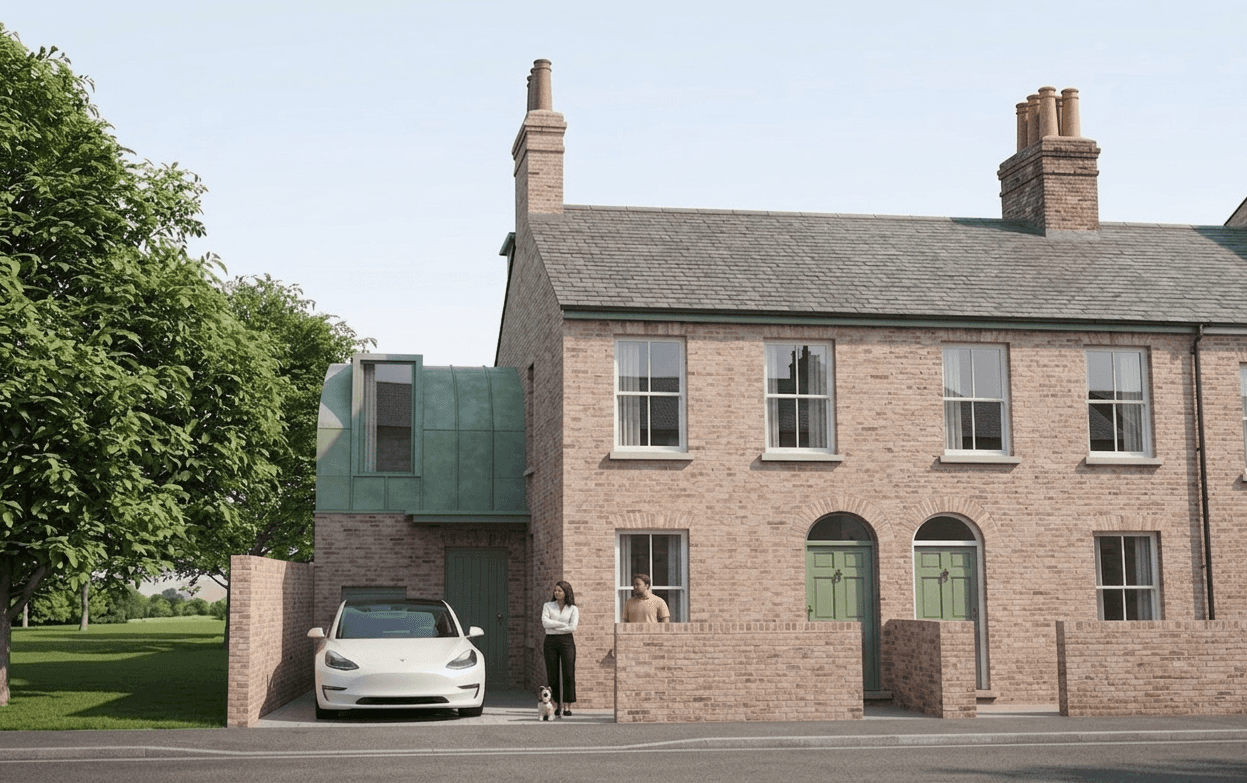
The design is contemporary, confident, and carefully judged. It sits comfortably within its conservation area context — assured, measured, and precise.
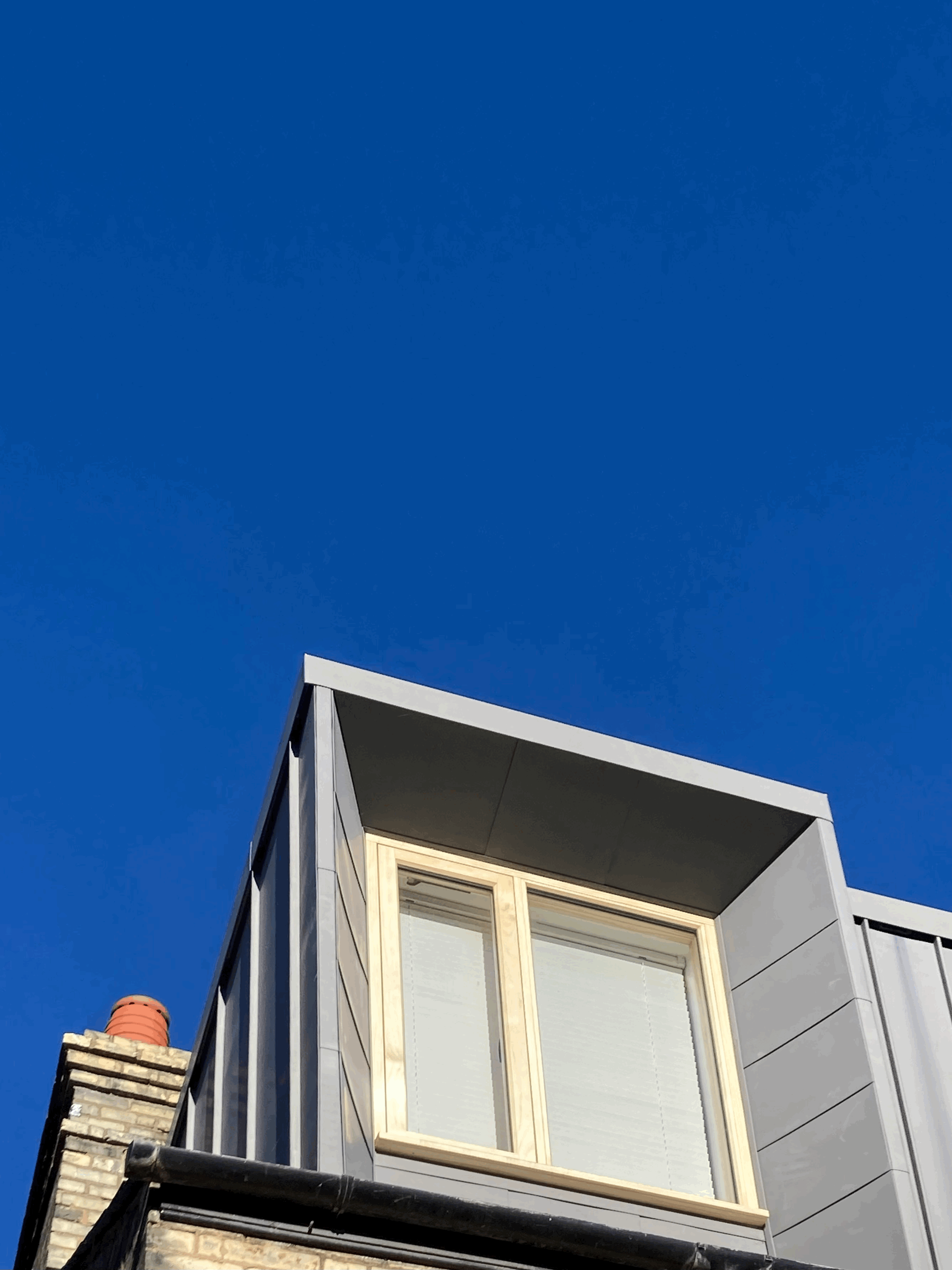
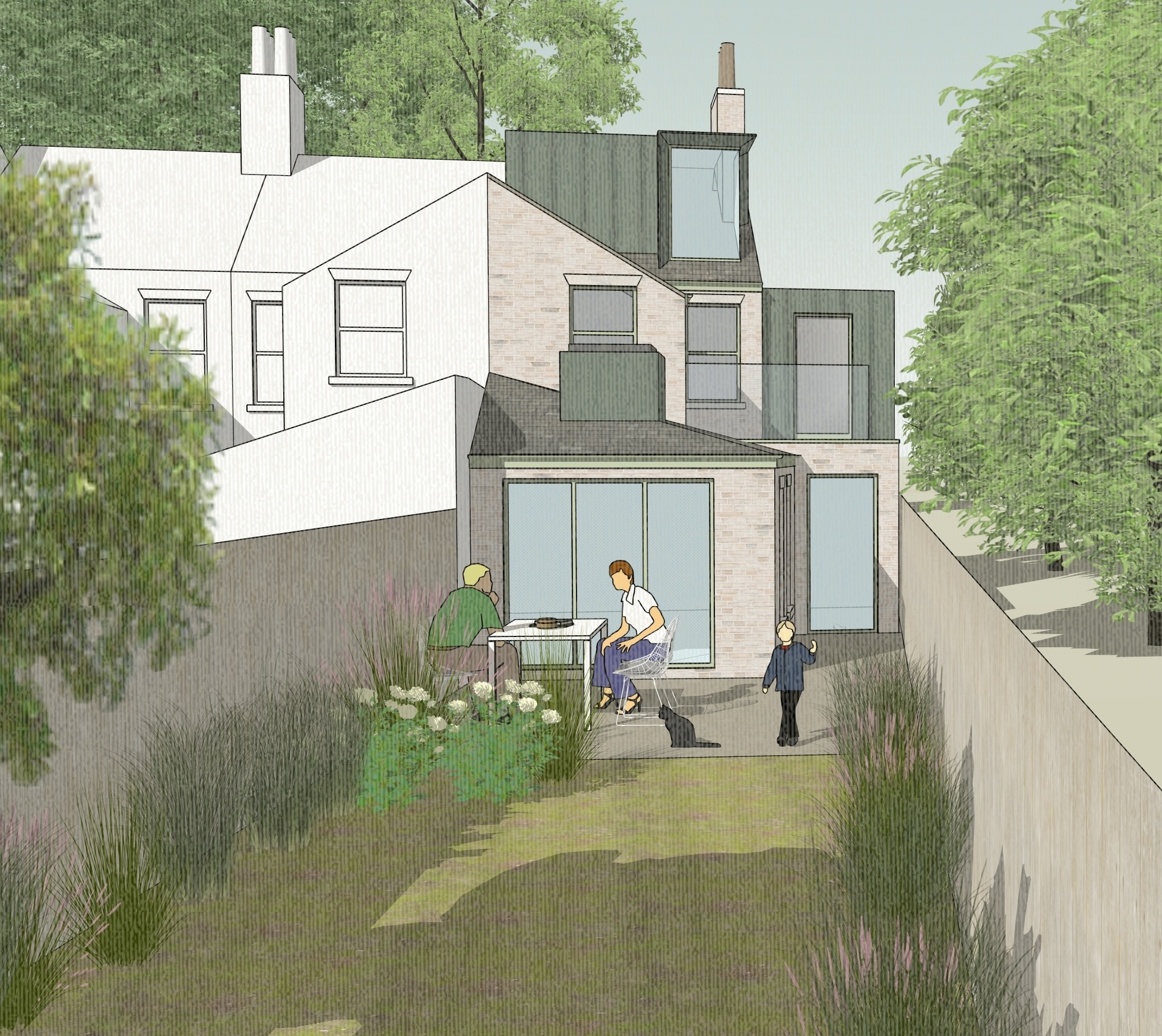
The rear and side extensions respect the semi-detached character of the house and its relationship to both street and neighbour. The rooftop extension is set back and creates unhindered views of the landscape. Its value lies not in visibility, but in what it creates.
Material choices are rooted in the local context — familiar in reference, exacting in execution. Nothing is gratuitous. Every element earns its place.
Internally, the reorganisation establishes a clear hierarchy: a generous, sociable ground floor connected to the garden; a calm, light-filled first floor that fully exploits its elevated position; and a quiet retreat tucked into the roof above. The house has been reconsidered in its entirety — and the result feels effortless.
Project Information
Project: Rear & Side Extension, Remodelling & Loft Conversion
Location: Riverside, Cambridge
Client: Private Residential
Status: Planning Consent Granted
Designation: Conservation Area; Greenbelt Adjacency; Vicinity of Listed Buildings
Scope: Rear and side extensions, full internal remodelling, new staircase, loft conversion, rooftop terrace